-
 info
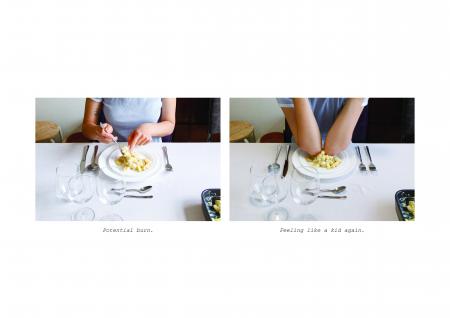
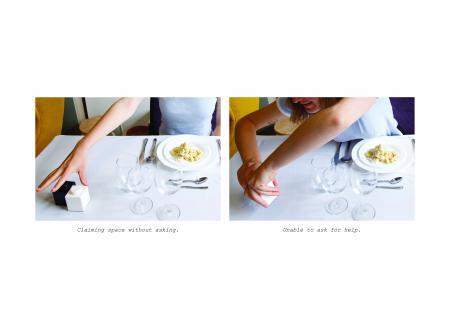
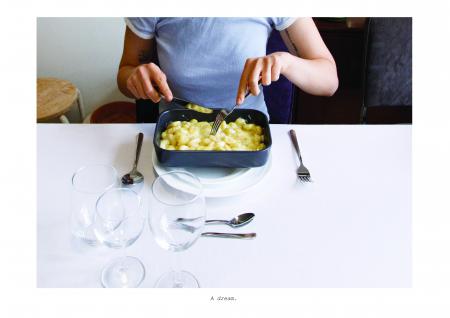
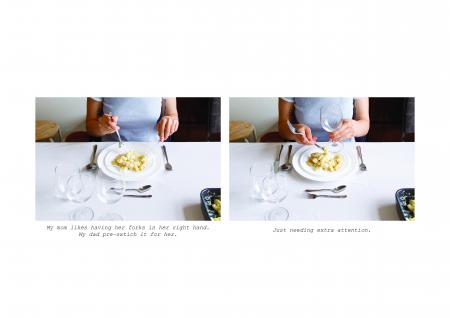
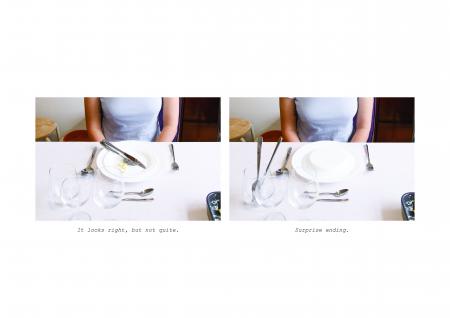
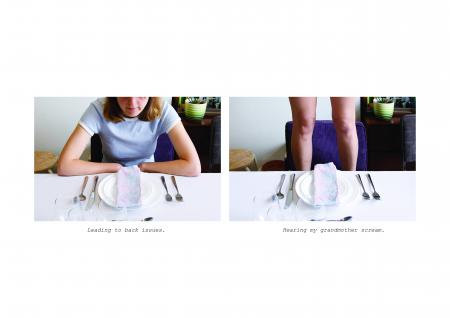
infoWithin the Western European culture I grew up in, table manners have long structured social behavior and class. They create predictability and order, preventing 'chaos'. I’m fascinated by how these rules silently guide our posture, gestures, and silences. In ‘It Looks Right, but Not Quite,’ I explore this choreography through a series of photographs and texts that depict subtle misbehaviours at the dinner table. Displayed in a classic dining room setting, the work invites viewers into a space of quiet tension, where normalcy is gently disturbed. Comments beneath each image reflect my internal dialogue. I hope to start a conversation with the viewer: Do you feel the urge to correct the model? Or to join them in misbehaving? Ultimately, the work is not just about breaking etiquette, but about revealing the (invisible) rules and expectations that structure how we live together.
-
 info
infoWithin the Western European culture I grew up in, table manners have long structured social behavior and class. They create predictability and order, preventing 'chaos'. I’m fascinated by how these rules silently guide our posture, gestures, and silences. In ‘It Looks Right, but Not Quite,’ I explore this choreography through a series of photographs and texts that depict subtle misbehaviours at the dinner table. Displayed in a classic dining room setting, the work invites viewers into a space of quiet tension, where normalcy is gently disturbed. Comments beneath each image reflect my internal dialogue. I hope to start a conversation with the viewer: Do you feel the urge to correct the model? Or to join them in misbehaving? Ultimately, the work is not just about breaking etiquette, but about revealing the (invisible) rules and expectations that structure how we live together.
-
 info
infoWithin the Western European culture I grew up in, table manners have long structured social behavior and class. They create predictability and order, preventing 'chaos'. I’m fascinated by how these rules silently guide our posture, gestures, and silences. In ‘It Looks Right, but Not Quite,’ I explore this choreography through a series of photographs and texts that depict subtle misbehaviours at the dinner table. Displayed in a classic dining room setting, the work invites viewers into a space of quiet tension, where normalcy is gently disturbed. Comments beneath each image reflect my internal dialogue. I hope to start a conversation with the viewer: Do you feel the urge to correct the model? Or to join them in misbehaving? Ultimately, the work is not just about breaking etiquette, but about revealing the (invisible) rules and expectations that structure how we live together.
-
 info
infoWithin the Western European culture I grew up in, table manners have long structured social behavior and class. They create predictability and order, preventing 'chaos'. I’m fascinated by how these rules silently guide our posture, gestures, and silences. In ‘It Looks Right, but Not Quite,’ I explore this choreography through a series of photographs and texts that depict subtle misbehaviours at the dinner table. Displayed in a classic dining room setting, the work invites viewers into a space of quiet tension, where normalcy is gently disturbed. Comments beneath each image reflect my internal dialogue. I hope to start a conversation with the viewer: Do you feel the urge to correct the model? Or to join them in misbehaving? Ultimately, the work is not just about breaking etiquette, but about revealing the (invisible) rules and expectations that structure how we live together.
-
 info
infoWithin the Western European culture I grew up in, table manners have long structured social behavior and class. They create predictability and order, preventing 'chaos'. I’m fascinated by how these rules silently guide our posture, gestures, and silences. In ‘It Looks Right, but Not Quite,’ I explore this choreography through a series of photographs and texts that depict subtle misbehaviours at the dinner table. Displayed in a classic dining room setting, the work invites viewers into a space of quiet tension, where normalcy is gently disturbed. Comments beneath each image reflect my internal dialogue. I hope to start a conversation with the viewer: Do you feel the urge to correct the model? Or to join them in misbehaving? Ultimately, the work is not just about breaking etiquette, but about revealing the (invisible) rules and expectations that structure how we live together.
-
 info
infoWithin the Western European culture I grew up in, table manners have long structured social behavior and class. They create predictability and order, preventing 'chaos'. I’m fascinated by how these rules silently guide our posture, gestures, and silences. In ‘It Looks Right, but Not Quite,’ I explore this choreography through a series of photographs and texts that depict subtle misbehaviours at the dinner table. Displayed in a classic dining room setting, the work invites viewers into a space of quiet tension, where normalcy is gently disturbed. Comments beneath each image reflect my internal dialogue. I hope to start a conversation with the viewer: Do you feel the urge to correct the model? Or to join them in misbehaving? Ultimately, the work is not just about breaking etiquette, but about revealing the (invisible) rules and expectations that structure how we live together.
-
 info
infoWithin the Western European culture I grew up in, table manners have long structured social behavior and class. They create predictability and order, preventing 'chaos'. I’m fascinated by how these rules silently guide our posture, gestures, and silences. In ‘It Looks Right, but Not Quite,’ I explore this choreography through a series of photographs and texts that depict subtle misbehaviours at the dinner table. Displayed in a classic dining room setting, the work invites viewers into a space of quiet tension, where normalcy is gently disturbed. Comments beneath each image reflect my internal dialogue. I hope to start a conversation with the viewer: Do you feel the urge to correct the model? Or to join them in misbehaving? Ultimately, the work is not just about breaking etiquette, but about revealing the (invisible) rules and expectations that structure how we live together.
-
 info
infoWithin the Western European culture I grew up in, table manners have long structured social behavior and class. They create predictability and order, preventing 'chaos'. I’m fascinated by how these rules silently guide our posture, gestures, and silences. In ‘It Looks Right, but Not Quite,’ I explore this choreography through a series of photographs and texts that depict subtle misbehaviours at the dinner table. Displayed in a classic dining room setting, the work invites viewers into a space of quiet tension, where normalcy is gently disturbed. Comments beneath each image reflect my internal dialogue. I hope to start a conversation with the viewer: Do you feel the urge to correct the model? Or to join them in misbehaving? Ultimately, the work is not just about breaking etiquette, but about revealing the (invisible) rules and expectations that structure how we live together.
-
 info
infoWithin the Western European culture I grew up in, table manners have long structured social behavior and class. They create predictability and order, preventing 'chaos'. I’m fascinated by how these rules silently guide our posture, gestures, and silences. In ‘It Looks Right, but Not Quite,’ I explore this choreography through a series of photographs and texts that depict subtle misbehaviours at the dinner table. Displayed in a classic dining room setting, the work invites viewers into a space of quiet tension, where normalcy is gently disturbed. Comments beneath each image reflect my internal dialogue. I hope to start a conversation with the viewer: Do you feel the urge to correct the model? Or to join them in misbehaving? Ultimately, the work is not just about breaking etiquette, but about revealing the (invisible) rules and expectations that structure how we live together.
-
 info
infoWithin the Western European culture I grew up in, table manners have long structured social behavior and class. They create predictability and order, preventing 'chaos'. I’m fascinated by how these rules silently guide our posture, gestures, and silences. In ‘It Looks Right, but Not Quite,’ I explore this choreography through a series of photographs and texts that depict subtle misbehaviours at the dinner table. Displayed in a classic dining room setting, the work invites viewers into a space of quiet tension, where normalcy is gently disturbed. Comments beneath each image reflect my internal dialogue. I hope to start a conversation with the viewer: Do you feel the urge to correct the model? Or to join them in misbehaving? Ultimately, the work is not just about breaking etiquette, but about revealing the (invisible) rules and expectations that structure how we live together.
-
") info
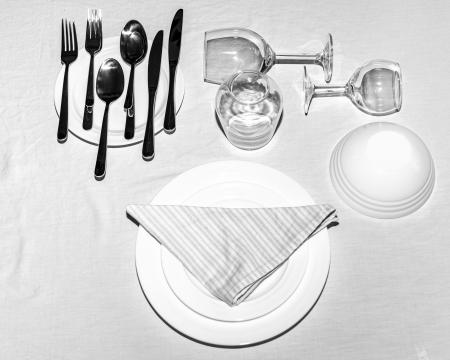
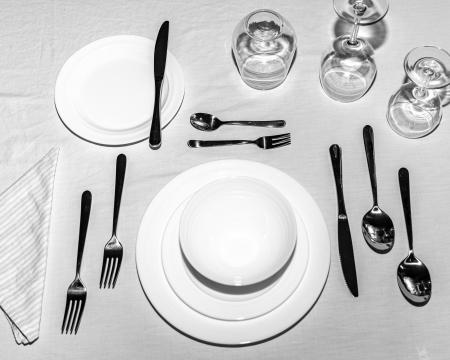
infoBy the time I got all the cutlery and tableware set on the table, the soup was cold and I needed a nap. What are we doing this for?
-
") info
infoBy the time I got all the cutlery and tableware set on the table, the soup was cold and I needed a nap. What are we doing this for?
-
 to Go When in Your Pyjamas (ongoing)") info
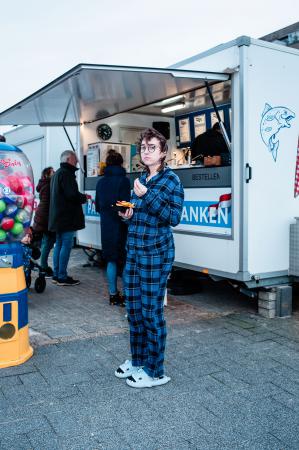
infoIn collaboration with the artist Kes Lugt. This project questions all the public places where you would not wear your pyjamas, even though, I promise you, it is not illegal.
-
 info
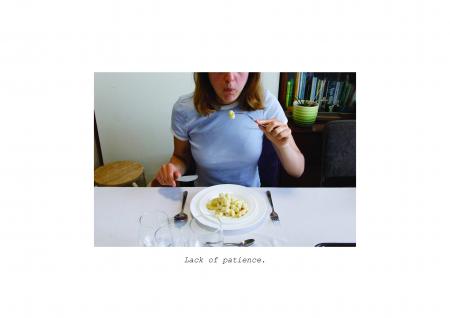
infoEverything is in the title. I was having leftover pasta that day.
-
 info
infoEverything is in the title. I was having leftover pasta that day.
-
 info
infoEverything is in the title. I was having leftover pasta that day.
-
 info
infoEverything is in the title. I was having leftover pasta that day.
-
 info
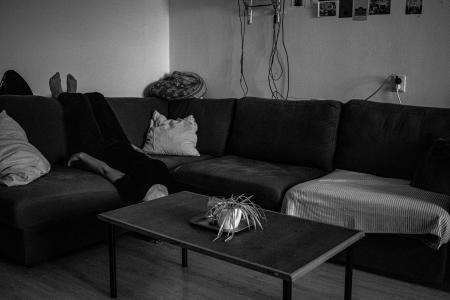
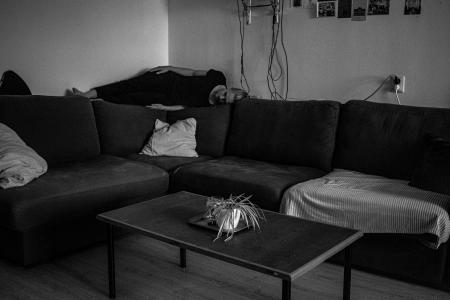
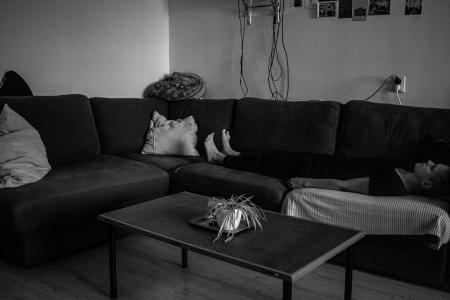
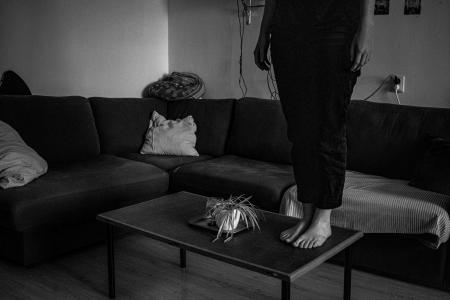
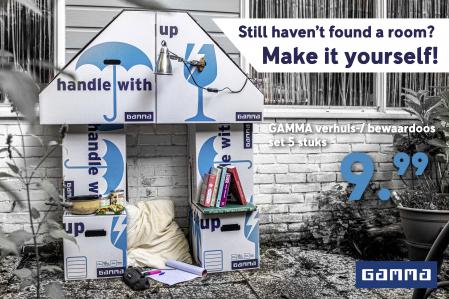
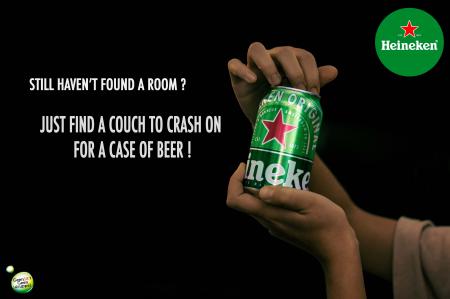
infoAs the housing crisis in The Hague came worst then ever, I started wondering how big companies could start making money out of it.
-
 info
infoAs the housing crisis in The Hague came worst then ever, I started wondering how big companies could start making money out of it.
-
 info
infoAs the housing crisis in The Hague came worst then ever, I started wondering how big companies could start making money out of it.
-
 info
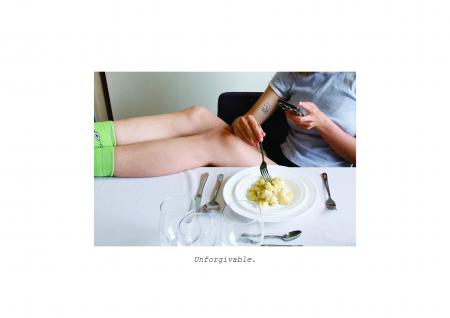
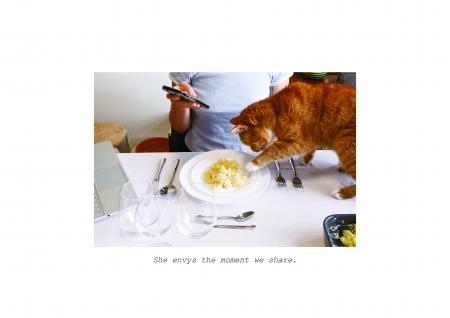
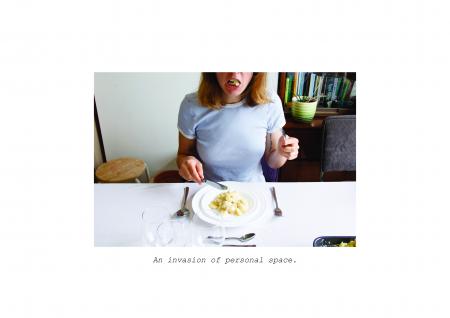
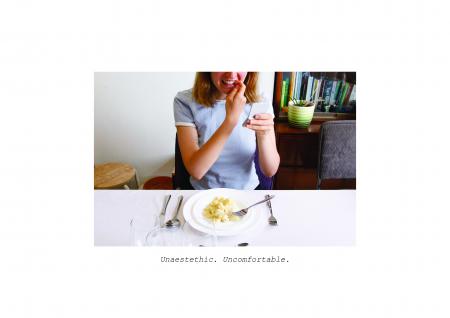
infoWithin the Western European culture I grew up in, table manners have long structured social behavior and class. They create predictability and order, preventing 'chaos'. I’m fascinated by how these rules silently guide our posture, gestures, and silences. In ‘It Looks Right, but Not Quite,’ I explore this choreography through a series of photographs and texts that depict subtle misbehaviours at the dinner table. Displayed in a classic dining room setting, the work invites viewers into a space of quiet tension, where normalcy is gently disturbed. Comments beneath each image reflect my internal dialogue. I hope to start a conversation with the viewer: Do you feel the urge to correct the model? Or to join them in misbehaving? Ultimately, the work is not just about breaking etiquette, but about revealing the (invisible) rules and expectations that structure how we live together.

Websites
It is my own website.
lauhancotte.comSocial media
Curriculum vitae
Education
-
2021 - 2025Photography Den Haag, Koninklijke Academie van Beeldende Kunsten diploma
exhibitions
-
2025Kunst van ons voedsel Provincie Huis Den Haag, Netherlands Group
-
2024A Butterfly was Finding Out Yesterday How to Make Sense of Misunderstandings” The grey space in the middle Den Haag, Netherlands Group
-
2024Underscore Paradise West x KABK Den Haag, Netherlands Group
Projects
-
2025
It Looks Right, but Not Quite The Hague, Netherlands Within the Western European culture I grew up in, table manners have long structured social behavior and class. They create predictability and order, preventing 'chaos'. I’m fascinated by how these rules silently guide our posture, gestures, and silences. In ‘It Looks Right, but Not Quite,’ I explore this choreography through a series of photographs and texts that depict subtle misbehaviours at the dinner table. Displayed in a classic dining room setting, the work invites viewers into a space of quiet tension, where normalcy is gently disturbed. Comments beneath each image reflect my internal dialogue. I hope to start a conversation with the viewer: Do you feel the urge to correct the model? Or to join them in misbehaving? Ultimately, the work is not just about breaking etiquette, but about revealing the (invisible) rules and expectations that structure how we live together.